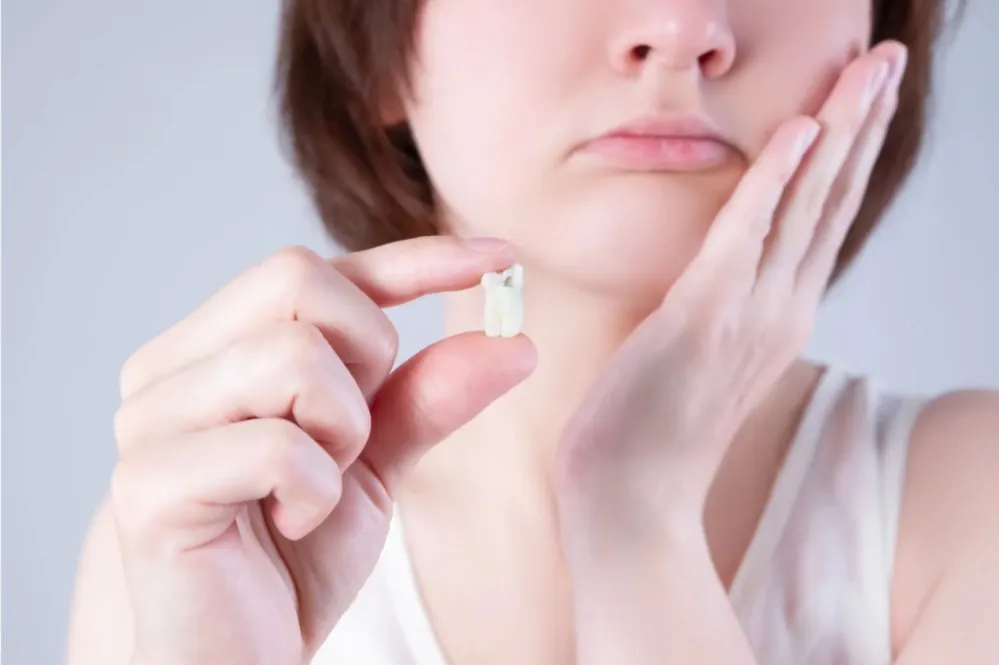
Wisdom teeth can cause issues if they become impacted or infected. If left untreated, an infection can spread and lead to serious complications.
For residents in Fort McMurray, timely wisdom tooth extractions in Fort McMurray can prevent prolonged discomfort and protect overall oral health.
Why Wisdom Tooth Infections Happen
Wisdom teeth often emerge in late teens or early twenties. When there isn’t enough room in the mouth, they can become partially erupted or misaligned.
This makes it easier for bacteria to accumulate, leading to infection. Recognizing the early warning signs can help prevent severe issues.
Top 5 Signs Your Wisdom Tooth May Be Infected
Persistent Pain
Pain near the back of your jaw that doesn’t go away could indicate an infection.
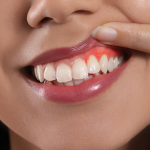
Swelling and Redness
Inflamed gums around a wisdom tooth are a clear warning sign.
Bad Breath or Unpleasant Taste
A foul odor or taste in the mouth can result from bacterial buildup near the infected tooth.
Difficulty Opening Mouth or Chewing
Pain and swelling may make it hard to open your mouth or eat comfortably.
Fever or General Malaise
Infections can cause systemic symptoms, signaling that the infection might be spreading.
When to Seek Urgent Care
Severe cases can progress quickly. If you experience severe wisdom tooth infection symptoms such as fever, swelling that spreads to your face or neck, or extreme pain, contact a dentist in Fort McMurray immediately.
Prompt care reduces the risk of complications and makes treatment easier.
Treatment Options for Infected Wisdom Teeth
Treatment depends on the severity of the infection:
| Treatment Option | When It’s Used | What It Involves |
|---|---|---|
| Antibiotics | Early infection | Controls bacterial growth and reduces swelling |
| Wisdom Tooth Extraction | Severe or recurrent infection | Removal of the infected tooth by a professional |
| Pain Management | Temporary relief | Over-the-counter or prescribed pain medications |
These wisdom tooth infection treatment options help restore oral health and prevent recurring issues.
Preventing Wisdom Tooth Infections
- Maintain consistent oral hygiene, brushing and flossing daily
- Schedule regular dental checkups to monitor wisdom teeth
- Ask for an early checkup if you feel any discomfort or notice any swelling
Regular visits to a dental clinic near you ensure problems are caught early, preventing serious infections.
Recovery After Wisdom Tooth Extraction
After a wisdom tooth extraction, proper care is important to make sure a quick healing and prevent your teeth from any infection. Follow the tips below to take care of your teeth after the tooth extraction process:
- Take prescribed medications and follow your dentist’s guidance closely.
- Apply ice packs for 10–15 minutes at a time during the first 24 hours.
- Gently rinse with warm salt water after meals to keep the area clean.
- Stick to soft foods for a few days to avoid irritating the extraction site.
By following these steps, patients experience faster recovery and fewer complications. A dentist nearby will help you get advice to achieve professional care.
Don’t Ignore the Signs
Wisdom tooth infections can be painful and potentially dangerous. Recognizing the signs early and seeking professional care is crucial.
At Morrison Dental, our team provides safe and effective wisdom tooth extractions near you to restore comfort and prevent further complications.
Don’t wait, protect your oral health today- book an appointment with our team now.
📍 Experiencing wisdom tooth pain? Tap here to find the fastest route to Morrison Dental.
FAQs
How can I tell if my wisdom tooth is infected?
Look for pain, swelling, bad taste, difficulty opening your mouth, or fever.
Can an infected wisdom tooth go away on its own?
Mild discomfort might subside temporarily, but infection usually requires professional treatment.
Are antibiotics enough to treat a wisdom tooth infection?
Antibiotics help with early infections, but severe cases often need extraction for a permanent solution.
How can I prevent future wisdom tooth infections?
Maintain oral hygiene, get regular checkups, and address any discomfort promptly.