It’s not only the appearance of a lost tooth. It can affect the way you chew, the way you talk, and even the way your jawbone retains its shape over time.
Many patients searching for different types of dental implants often feel overwhelmed by the options and unsure about where to begin.
At Morrison Dental in Fort McMurray, the goal is to help patients clearly understand their choices so they can create confident, informed decisions about their oral health.
In this article, we’ll explore the major types of dental implants, how they work, and which situations they are best suited for.
Understanding Dental Implants: The Foundation of Modern Tooth Replacement
Dental implants are generally viewed as one of the most reliable long-term treatments for restoring missing teeth.
They act as unnatural tooth roots and hold replacement teeth securely in place.
Essential Information About Dental Implants in Fort McMurray
Discover how dental implants can restore your smile, what the treatment process involves, and why they are a long-term solution for missing teeth.
What is a Dental Implant?
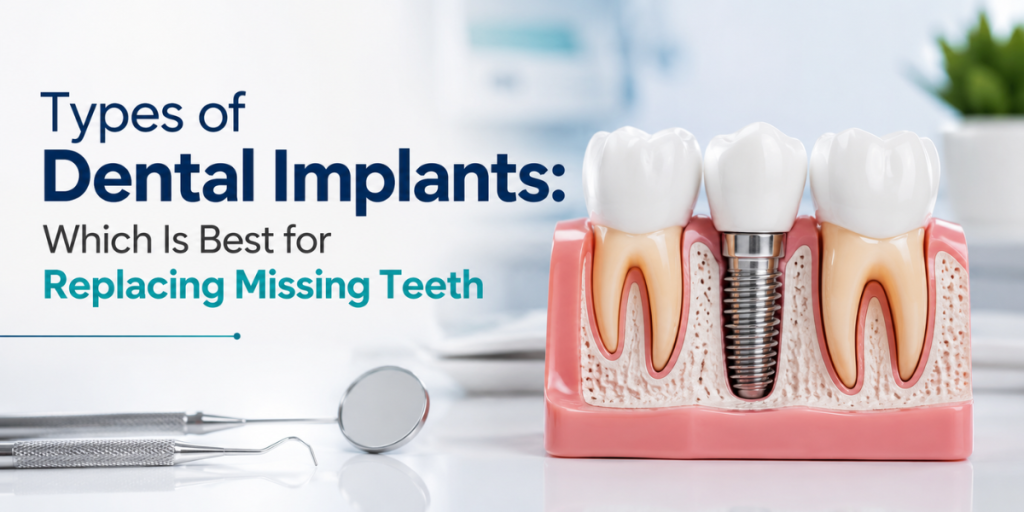
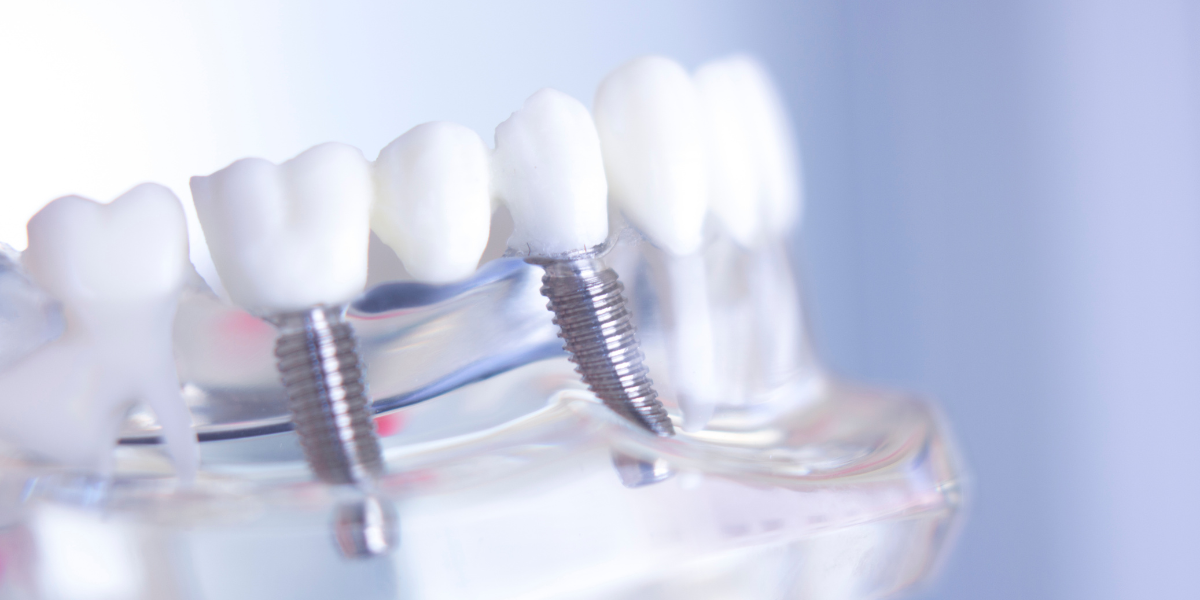
A dental implant is a small titanium post placed in the jawbone when a tooth is missing.
Over time, a method known as osseointegration takes place, during which the surrounding bone gradually grows and bonds with the implant, securing it firmly in position.
Once healing is complete, the implant serves as a stable support structure for the replacement tooth.
In simple phrases, a dental implant replaces the root of the tooth rather than just filling the visible gap.
Key points:
- Titanium post placed into the jawbone.
- Acts as an artificial tooth root
- Supports crowns, bridges, or dentures
Why Dental Implants Are Often Preferred
Dental implants are commonly chosen because they closely mimic natural teeth. Unlike traditional dentures or bridges, they integrate with the jawbone and help maintain bone structure.
They also provide excellent stability when chewing and speaking, reducing concerns about slipping or movement. Over time, implants help preserve facial structure, which can change when teeth are missing.
Can Dental Implants Be Done In One Day?
Curious about same-day dental implants? Learn how the procedure works, who may qualify, and what to expect from treatment and recovery.
Main Types of Dental Implants
Dental implant treatment is not one-size-fits-all. Dentists choose different types depending on the number of missing teeth and the condition of the jawbone.
Common options include:
- Single tooth implants
- Implant-supported bridges
- Implant-retained dentures
- Full-mouth implant systems
- Mini dental implants
Each option serves a specific clinical and lifestyle need.
Comparing Common Dental Implant Options
Different implant solutions are designed for different levels of tooth loss, bone density, and restoration goals. Explore the options below to understand which treatment may best fit your needs.
Single-Tooth Implants: A Common Solution for One Missing Tooth
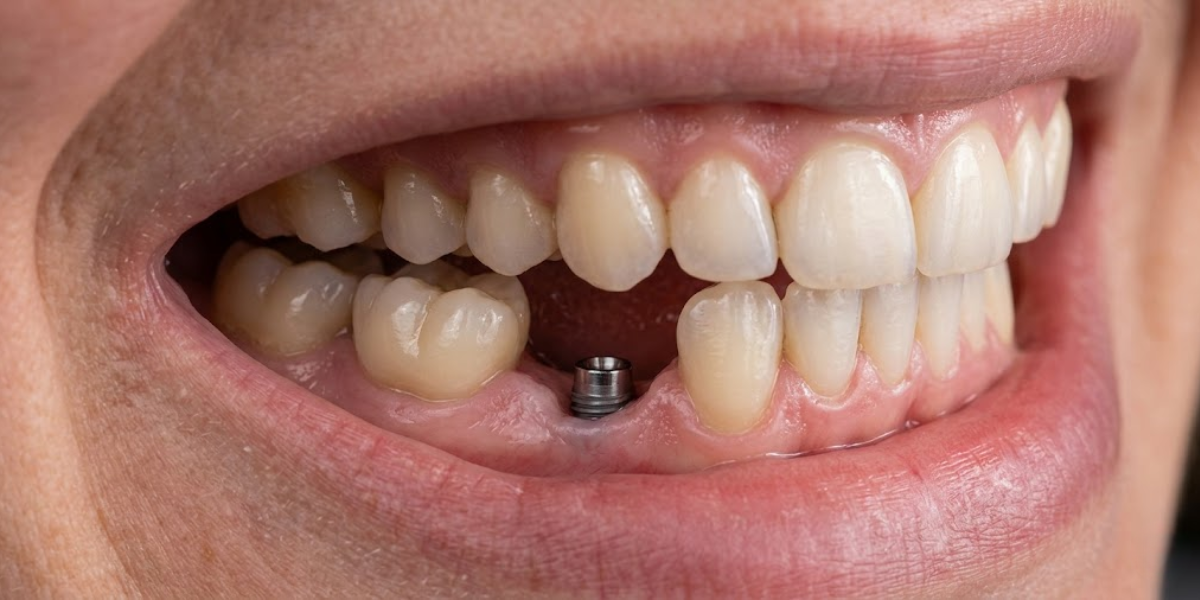
Single-tooth implants are one of the most commonly used treatments when only one tooth is missing.
They replace the missing tooth without affecting the surrounding healthy teeth.
How They Work
A titanium implant is set into the jawbone, followed by an abutment and a custom-made crown. The crown is created to match the surrounding teeth for a natural appearance.
Unlike a dental bridge, this option does not require grinding down adjacent teeth, making it a more conservative treatment.
Benefits
- Restores natural chewing function
- Maintains bone in the missing tooth area
- Does not affect neighbouring teeth
- Provides a long-lasting solution
Implant-Supported Bridges for Multiple Missing Teeth
When several teeth are missing in a row, implant-supported bridges offer a practical solution.
Instead of replacing each tooth individually, a few implants support a connected bridge of artificial teeth.
How They Work
- Two or more implants act as anchors
- A bridge spans the missing teeth.
- Forces are distributed evenly across implants.
Advantages
- Strong and stable chewing function
- No need to alter healthy teeth
- More cost-effective than multiple single implants
Implant-Retained Dentures and Full-Mouth Solutions
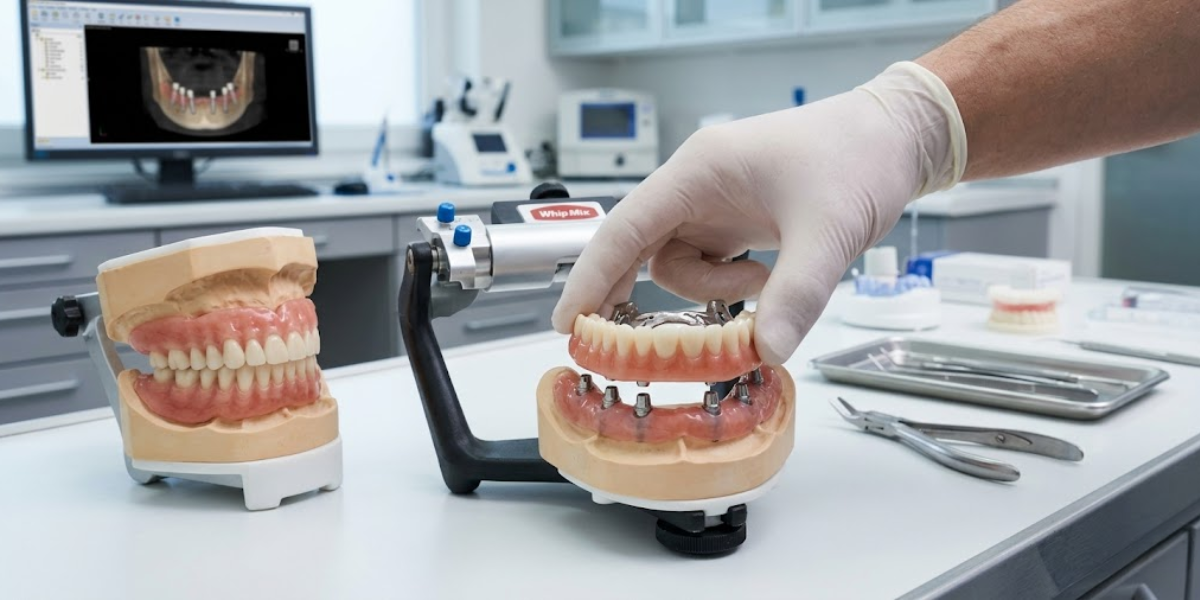
For patients missing most or all of their teeth, full-arch implant solutions provide complete restoration of function and appearance.
Implant-Retained Dentures
These dentures attach securely to dental implants, offering far better stability than traditional removable dentures. They stay in place while speaking and eating, but can still be removed for cleaning if needed.
Benefits include:
- Secure and stable fit
- Improved speech and comfort
- Better chewing ability
Full-Mouth Implant Options (Including All-on-4)
Full-mouth solutions may use different techniques depending on patient needs. One common approach is the All-on-4 system, which utilizes four strategically set implants to support an entire arch of teeth.
Other options include fixed implant dentures that remain permanently in place.
These treatments offer strong bite function and a more natural experience compared to removable dentures.
Mini Dental Implants: A Less Invasive Option
Mini Dental Implants are more undersized in diameter than normal implants and are used for some situations.
When They Are Used
- Limited bone density
- Stabilizing lower dentures
- Narrow spaces where standard implants may not fit
Benefits
- Less invasive procedure
- Faster healing time
- More affordable in some cases
They are not suitable for every patient, but can be very effective in the right circumstances.
Types of Dental Implants by Clinical Classification
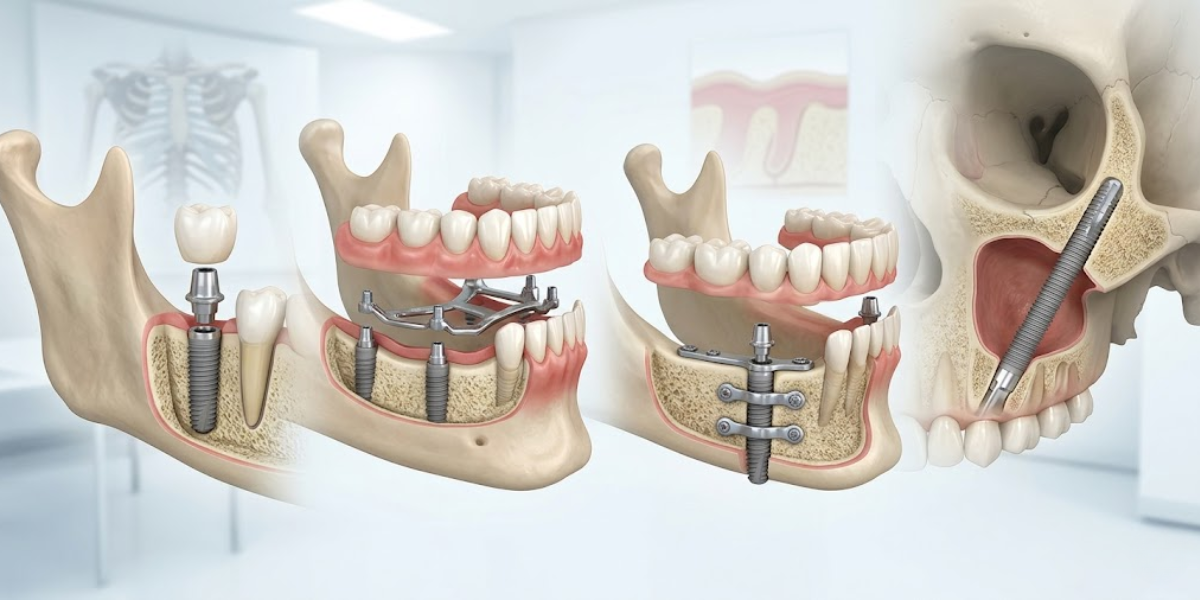
Endosteal Implants
Endosteal implants are the generally utilized type today. They are placed directly into the jawbone and provide strong, long-term stability.
Key features:
- Placed directly in the bone.
- High success rate
- Used in most standard cases
Other Implant Types
In cases where bone is insufficient, subperiosteal implants may be considered. These sit on top of the jawbone rather than within it.
While less common today, they may still be used in specific situations where bone grafting is not suitable.
How Dentists Choose the Right Implant Type
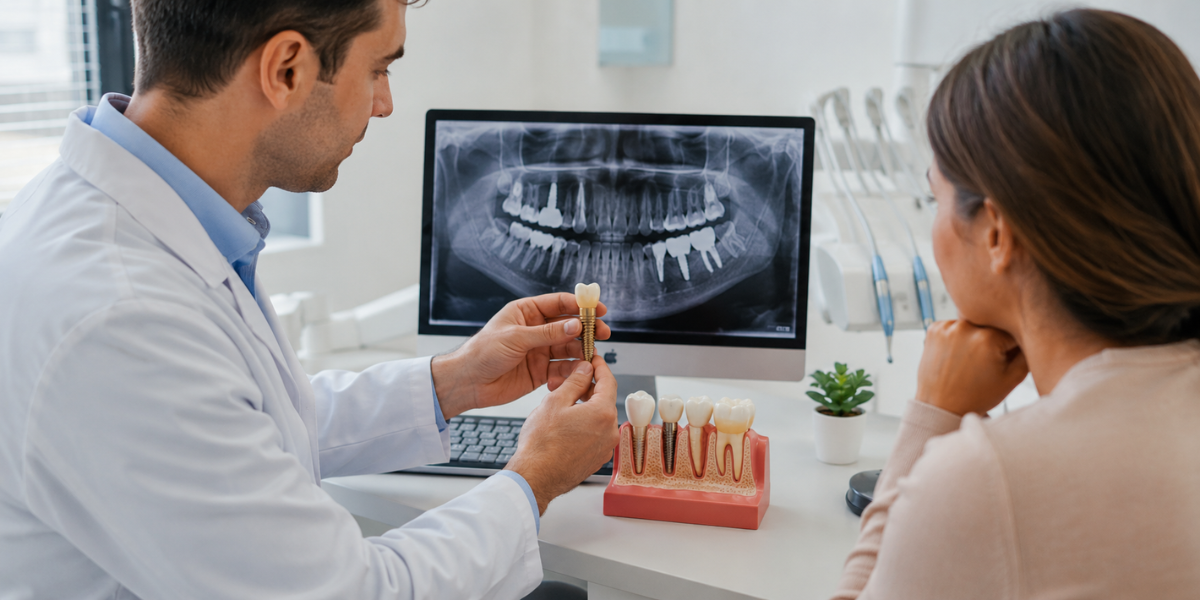
Choosing the right implant counts on several factors, including:
- Number of missing teeth
- Bone density and quality
- Oral health condition
- Budget and long-term goals
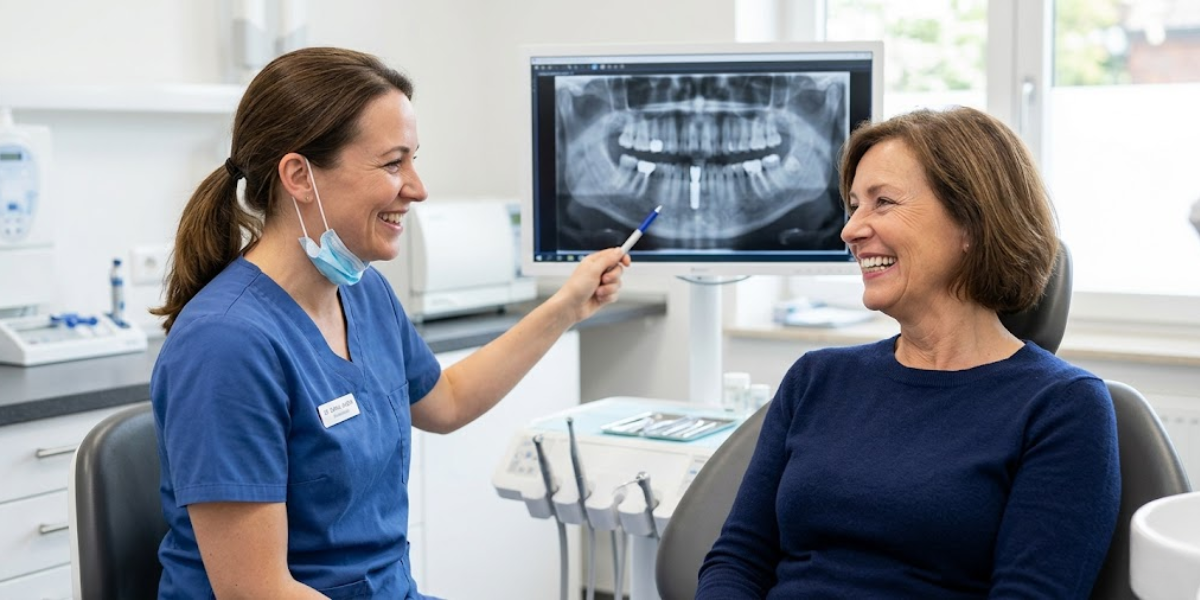
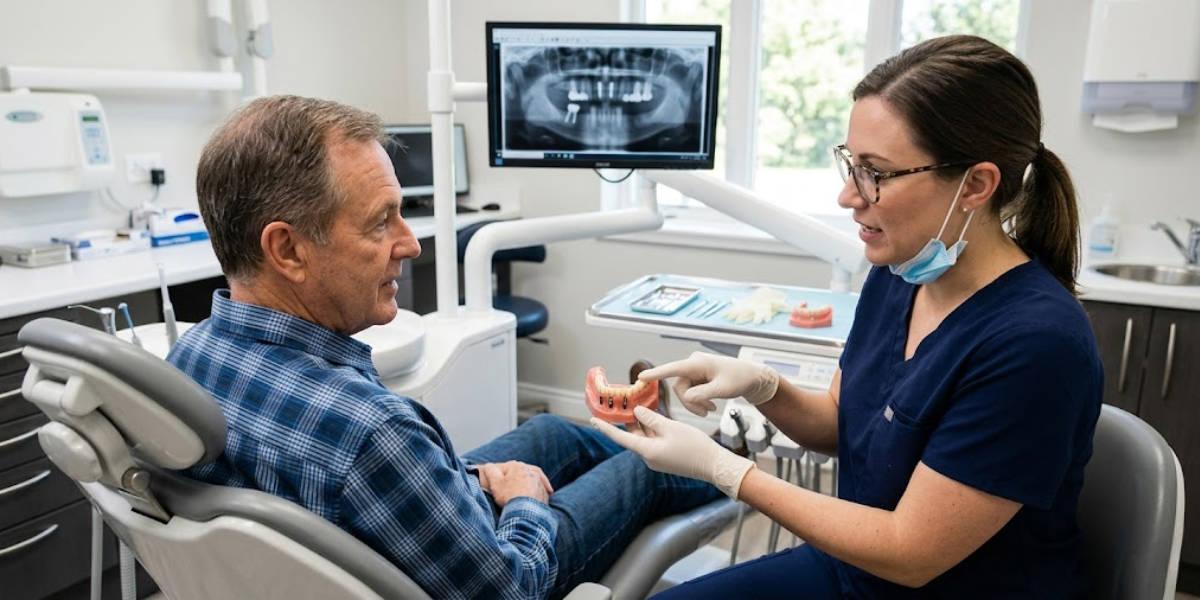
At Morrison Dental in Fort McMurray, treatment planning typically includes digital scans, bone evaluation, and a personalized treatment strategy to ensure the best outcome.
Dental Implants vs Other Tooth Replacement Options
Compared to other solutions:
- Bridges require support from neighboring teeth.
- Dentures may lack stability and can shift during use.
- Implants preserve bone and facial structure.
- Implants offer better long-term function and comfort.
Overall, dental implants provide superior long-term value in most cases.
Healing and Longevity
After placement, implants undergo osseointegration, where the bone fuses with the implant.
Typical healing stages include the following:
- Initial healing within a few weeks
- Bone integration over several months
- Final restoration placement after healing
With good dental care, Dental Implants can last 10 to 25 years or more. They need proper oral hygiene and regular dental visits to ensure long-term success.
Why Dental Implants Are a Long-Term Investment
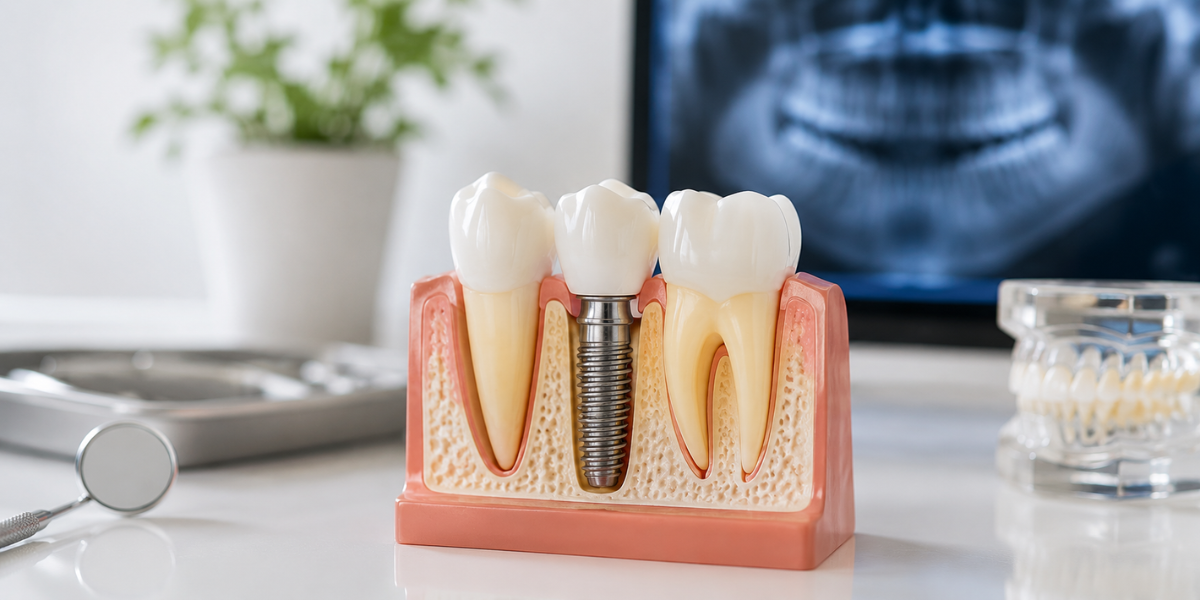
Dental implants are not only a substitute for lost teeth. They help preserve bone, maintain alignment of surrounding teeth, and improve chewing efficiency.
They also contribute to better speech, confidence, and overall oral comfort compared to removable options.
Which Dental Implant Is Right for You?
Simple guide:
- One missing tooth → Single implant
- Several missing teeth → Implant-supported bridge
- Full arch missing → All-on-4 or implant denture
- Low bone density → Mini implants
Each solution has its pros and downsides, and a dental consultation is needed to establish the best choice based on your circumstances.
Book a Consultation in Fort McMurray
The best implant option depends on your oral health, bone condition, and long-term goals. A professional dentist is the most reliable way to determine the right treatment.
Morrison Dental offers personalized implant planning using advanced imaging and detailed assessments.
To book a consultation, visit:
https://www.morrisondental.ca/contact/
Learn more about services here:
https://www.morrisondental.ca/services/dental-implants/
Frequently Asked Questions
What types of dental implants are available?
Common types include single implants, implant-supported bridges, implant-retained dentures, and mini dental implants.
Are dental implants permanent?
They are long-lasting and can function for decades with proper care, but may eventually require maintenance or replacement.
Who is a good candidate for mini implants?
Patients with low bone density or those needing denture stabilization may be suitable.
Do dental implants look natural?
Yes . Custom crowns are made to look like the shape and colour of your natural teeth.