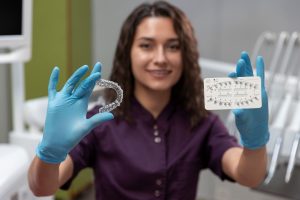
Keeping your teeth clean is an important part of maintaining good oral health. If you are searching for dental checkups near you, you may be wondering how often you should visit the dentist for professional cleanings. While brushing and flossing at home are important, regular dental cleanings help remove buildup that cannot always be cleaned properly at home.
Many dentists recommend regular cleanings to help lower the risk of cavities, gum disease, and other oral health problems. The right schedule can be different for every patient depending on their oral health needs and habits.
Why Dental Cleanings Matter
Dental cleanings help remove plaque and tartar from the teeth and gums. Plaque is a layer of bacteria that builds up on the teeth.
Tartar buildup may lead to:
- Cavities
- Swollen gums
- Bad breath
- Gum disease
- Tooth damage
Professional cleanings help keep your teeth and gums healthier. Regular dental visits also help dentists check for early signs of oral health problems before they become more serious.
How Often Do Most People Need A Dental Cleaning
Many patients visit the dentist every six months for a cleaning and dental exam. For most people, this schedule helps keep the teeth and gums healthy.
During a dental cleaning, the dental team may:
- Remove plaque and tartar
- Check the gums
- Check for cavities
- Review oral hygiene habits
Regular dental cleanings can help lower the risk of future dental problems and support better oral health over time.
Some Patients May Need More Frequent Visits
Not everyone has the same oral health needs. Some patients may need dental cleanings more often than every six months.
A dentist may recommend more frequent visits for patients who have:
- Gum disease
- Heavy tartar buildup
- Frequent cavities
- Diabetes
- Smoking habits
- Dry mouth
- Braces or dental appliances
More frequent cleanings can help manage bacteria buildup and support better gum health. Patients visiting a dentist in Fort McMurray often receive cleaning schedules based on their personal oral health condition and risk factors.
What Happens During A Dental Cleaning
A dental cleaning is usually simple and comfortable for most patients. The appointment often begins with an examination of the teeth and gums.
During the cleaning, the dental team may:
- Remove tartar from the teeth
- Clean around the gumline
- Polish the teeth
- Floss between the teeth
- Discuss oral hygiene habits
Regular cleanings help remove buildup that daily brushing may sometimes leave behind. Some patients may also receive dental X-rays if needed. Regular cleanings help the dental team monitor changes in oral health over time.
Signs You May Need A Dental Cleaning Soon
Some people may notice symptoms that suggest it is time to schedule a dental visit. Ignoring these signs may allow oral health problems to become worse over time.
Common signs may include:
- Bleeding gums
- Bad breath
- Tooth sensitivity
- Yellow tartar buildup
- Swollen gums
- Pain while brushing
Early dental visits may help prevent more serious oral health problems later. If you notice these symptoms, it may be helpful to schedule dental checkups in Fort McMurray for a professional examination and cleaning.
How Dental Cleanings Help Prevent Problems
Preventive dental care can help lower the risk of more serious dental problems later. Cleanings remove harmful bacteria and allow dentists to identify concerns early.
Regular dental cleanings may help reduce the risk of:
- Cavities
- Gum disease
- Tooth loss
- Gum infections
- Severe plaque buildup
Preventive care can help patients avoid more complicated dental treatments in future. Early care is simpler and more comfortable than waiting until problems become painful.
Home Care Still Matters
Professional cleanings are important, but daily oral care at home also plays a big role in keeping the mouth healthy.
Good home care habits may include:
- Brushing twice a day
- Flossing daily
- Drinking water regularly
- Limiting sugary snacks and drinks
- Replacing toothbrushes regularly
Healthy daily habits can help reduce plaque buildup between dental cleaning appointments. If you are searching for a dentist near you, you may also want to learn how to improve your daily oral hygiene routine between dental visits.
Can You Wait Longer Than Six Months
Some people wonder if they can skip dental cleanings or wait longer between visits. Even if the teeth feel fine, plaque and tartar may still build up over time without noticeable symptoms.
Skipping cleanings may increase the risk of:
- Cavities
- Gum disease
- Tooth decay
- Bad breath
- More expensive dental treatment later
Regular cleanings may help lower the risk of serious dental problems developing. Regular dental visits help catch small problems before they become larger concerns.
Keep Your Smile Healthy With Regular Dental Visits
Morrison Dental provides personalized dental care in a comfortable and welcoming setting. Schedule a visit today to learn more about professional cleanings and preventive dental care options.
Frequently Asked Questions
How often should you get a dental cleaning?
You should get a dental cleaning every six months. Some people may need more frequent visits based on their oral health.
What is included in a dental cleaning?
A dental cleaning usually includes plaque removal, tartar removal, teeth polishing, and a dental examination.
Can dental cleanings help prevent gum disease?
Yes. Regular cleanings help remove bacteria and tartar that may lead to gum disease.
Are dental cleanings painful?
Most dental cleanings are comfortable. Patients with sensitive gums may feel mild discomfort during the visit.