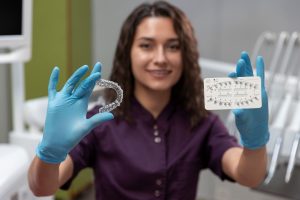
How often should each member of your family really visit the dentist? A dental clinic in Fort McMurraycan help assess the condition of the teeth and gums and suggest a checkup schedule based on individual needs. Children, adults, and older family members may not need the same type or frequency of care because their oral health needs can change with age and other factors. Staying on a regular dental schedule can make it easier to notice small changes early, address concerns when needed, and maintain healthy teeth and gums as the family grows.
How Often Should Adults Have a Dental Checkup?
There is no single schedule that works for every adult. The right timing depends on factors such as oral health, past dental concerns, gum health, and the risk of developing cavities.
For some adults, visits every six months may be suitable. Others may need visits more or less often based on their dental needs.
Regular visits can help monitor changes before they become larger concerns.
How Often Should Children Visit the Dentist?
Children need regular dental care as their teeth and mouths develop. Early visits can help monitor the growth of baby and permanent teeth while building good oral care habits.
A child’s visit schedule may depend on:
- Age and stage of tooth development
- History of cavities
- Brushing and flossing habits
- Risk of tooth decay
- Changes in the mouth
A consistent routine can also help children become more comfortable with dental visits.
Should Older Adults Have More Frequent Checkups?
As you get older, your teeth and gums can change. You may have a higher risk of gum problems, dry mouth, worn teeth, or issues with old dental work. Regular dental checkups near youcan help find these problems early and keep your mouth healthy.
The appropriate schedule depends on the condition of the teeth and gums. A personalized plan can help address current concerns while monitoring changes over time.
Why Are Regular Checkups Important?
Dental checkups in Fort McMurraycan do more than look for cavities. A routine visit allows the teeth and gums to be examined for changes that may not cause noticeable symptoms.
Depending on individual needs, a checkup may include:
- Examination of the teeth
- Gum health assessment
- Checking for signs of tooth decay
- Reviewing existing dental work
- Discussing oral hygiene habits
- X-rays when they are considered necessary
The exact services provided can vary from one visit to another.
What Can Happen If Checkups Are Delayed?
Skipping dental visits does not always cause an immediate problem, but it can make it harder to identify changes early. A small cavity or gum concern may not cause noticeable symptoms at first.
Waiting until pain develops may mean that a problem has already progressed. Regular monitoring can help identify concerns while they may still be easier to manage.
Does Everyone in a Family Need the Same Schedule?
No. Family members can have very different dental needs, even when they live in the same household.
For example, one family member may need closer monitoring because of frequent cavities, while another may have a lower risk and need fewer visits.
Factors that may affect visit timing include:
- Oral health history
- Gum condition
- Cavity risk
- Age
- Existing dental treatments
- Daily oral hygiene
- Certain health or lifestyle factors
A personalized schedule is more useful than following one routine for everyone.
When Should You Book a Dental Visit Sooner?
Routine appointments are important, but certain symptoms should not wait for the next scheduled checkup.
Consider arranging an earlier assessment if there is:
- Tooth pain or ongoing sensitivity
- Bleeding or swollen gums
- A broken or chipped tooth
- A loose permanent tooth
- Persistent bad breath
- A noticeable change in the mouth
Early assessment can help determine what is causing the concern.
How Can Families Stay on Track?
A simple family routine can make dental care easier. Planning dental visits ahead of time can also help you remember them.
Helpful habits include:
- Keep dental appointments on a shared calendar.
- Brush your teeth twice a day.
- Clean between your teeth every day.
- Limit sugary snacks and drinks.
- Replace your toothbrush when needed.
- Follow your dentist’s care advice.
Good daily dental care, along with regular dental visits, can help keep your teeth and gums healthy.
Can You Find Dental Care for the Whole Family?
A dental clinic near you may provide care for different age groups and help organize appointments according to individual needs. Having a consistent place for routine dental care can make it easier to monitor changes and keep the family on a regular schedule.
The goal is not simply to visit at a fixed time every year. It is to maintain a schedule that matches each person’s oral health needs.
Make Family Dental Care a Regular Priority!
Are you uncertain about how often each family member should receive a dental checkup? A professional evaluation can help identify individual oral health needs, monitor changes over time, and determine an appropriate schedule for future visits. Staying consistent with dental care can make it easier to address concerns early and support healthy smiles at every stage of life. Book an appointment with Morrison Dental to discuss your family’s dental needs and receive personalized guidance for ongoing oral care.
FAQs
Is a dental checkup every six months necessary?
Not always. Your dentist may suggest a different schedule based on your oral health, dental history, and risk of problems.
Should children have dental checkups more often?
Children may need regular visits as their teeth and jaws grow. The schedule depends on their age, oral health, and risk of cavities.
Can a healthy family member skip yearly dental visits?
Even without symptoms, regular examinations can help monitor changes that may not be easy to notice at home. The recommended timing should be based on individual needs.
What if a family member has not visited a dentist for several years?
A dental assessment can provide a current picture of oral health and identify any concerns that may need attention. A new visit schedule can then be planned based on the findings.